
Post-Ride Beers
Shira Evans, MS, RD, CSSD, LD Sport + Eating Disorder Dietitian - Mar 17, 2026
Have you ever heard someone say ‘if I lose X pounds of weight, I will look like and feel more like a cyclist’. What does that really mean? Is it true that weight loss causes improved performance in fitness and cycling? By definition fitness is a set of attributes that are either health- or skill-related. Fitness metrics offer value to athletes because they can help to enhance athletic performance and may play a role in reducing injury risk. Examples of some metrics that are useful to help assess fitness of an endurance-
based athlete can include: anaerobic capacity, VO2 Max, cadence, rate of perceived exhaustion, heart rate changes while exercising, flexibility, speed, strength, balance, and stability.
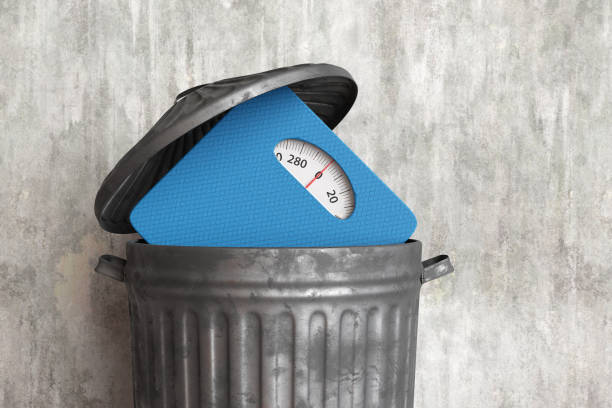
The sport of cycling and weight stigma
It is important to note that true markers of health and/or skill are not appearance-based; if you cycle you are a cyclist, regardless of body size/shape. Further, genetics can impact a person’s preferred body composition by up to 68%. When a person says that an athlete ‘doesn’t look like a cyclist’ that is an example of weight stigma or weight-based discrimination. According to the National Eating Disorder Association, weight stigma is discrimination or stereotyping based on a person’s weight or perceived appearance.
Weight stigma can increase body dissatisfaction, a leading risk factor in the development of eating disorders. Not only does weight stigma increase risk for development of an eating disorder, there are many other potential ramifications, such as: depression, anxiety, low self-esteem, lower likelihood of getting hired for a job, lower pay at work compared to someone in a smaller body size/shape, treatment disparities from healthcare providers, avoidance of engaging in movement due to fear of shaming
by peers or other people, and increased mortality risk compared to folks who do not experience weight-based discrimination.
Risk of Relative Energy Deficiency in Sport (REDs)
Further, cycling is a demanding sport that requires an elevated nutritional intake to support favorable training adaptations. Failing to consume adequacy of nutrition, particularly calories and carbohydrates for a person’s unique health and sports needs can promote Low Energy Availability which underpins REDs. Unfortunately, there is a high risk of REDs development within the sport of cycling because of this harmful belief – weight loss is key to optimal performance.
REDs can have a profound impact on a variety of different health and sport outcomes, such as chronic iron-deficiency anemia, poor bone health, recurring injuries, slowed metabolic rate, altered hormones such as low testosterone or estrogen, declines in endurance performance, and more.
With this information, where do we go from here? Cycling has the potential to bring diverse individuals together, and offers so many mental, emotional, and physical benefits. To help foster a healthier environment for all cyclists, the following tips can help to eliminate weight stigma, reduce the risk of REDs and disordered eating, and overall, support greater experiences for all in the cycling community.
- Eliminate language that may align with weight discrimination.
- If riding in a group, normalize intra-fueling with a variety of quick carbs and sport drinks throughout the entire ride. Post-ride model consuming a recovery snack with carbs, protein, and fluid replacement.
- Eliminate naming foods as ‘good’ or ‘bad’. Practice neutralizing language around food. All food has value.
- Refrain from making judgements about someone’s health or well-being based on their appearance.
- Challenge the notion that weight loss or attaining a thinner body is key to improved performance.
- Don’t assume that a person in a larger body is attempting to, or wants to diet, or lose weight.
Know that you can be a voice of change. Push back on diet culture norms that there is a “look” to being a cyclist or athlete. You are your most athletic self when you are adequately fueled. And your body is good enough.
References:
- Casperson, C.J., Powell, K.E., and Christenson, G.M. (1985). Physical activity, exercise, and physical fitness: definitions and distinctions for health-related research. Public Health Rep, 100(2): 126–131.
- Karpinski, C. and Rosenbloom, C.A. (2017). Sports Nutrition. A Handbook for Professionals (6th Edition). Academy of Nutrition and Dietetics.
- Weight Stigma. (2022). National Eating Disorder Association. https://www.nationaleatingdisorders.org/weight-stigma
- Mountjoy, M. Ackerman, K.E., Bailey, D.M. et al. (2024). 2023 International Olympic Committee’s (IOC) consensus statement on Relative Energy Deficiency in Sport (REDs). Br J Sports Med, 57:1073–1098.