
Learn more about Coeur D’Alene Cycling Club at cdacycling.club
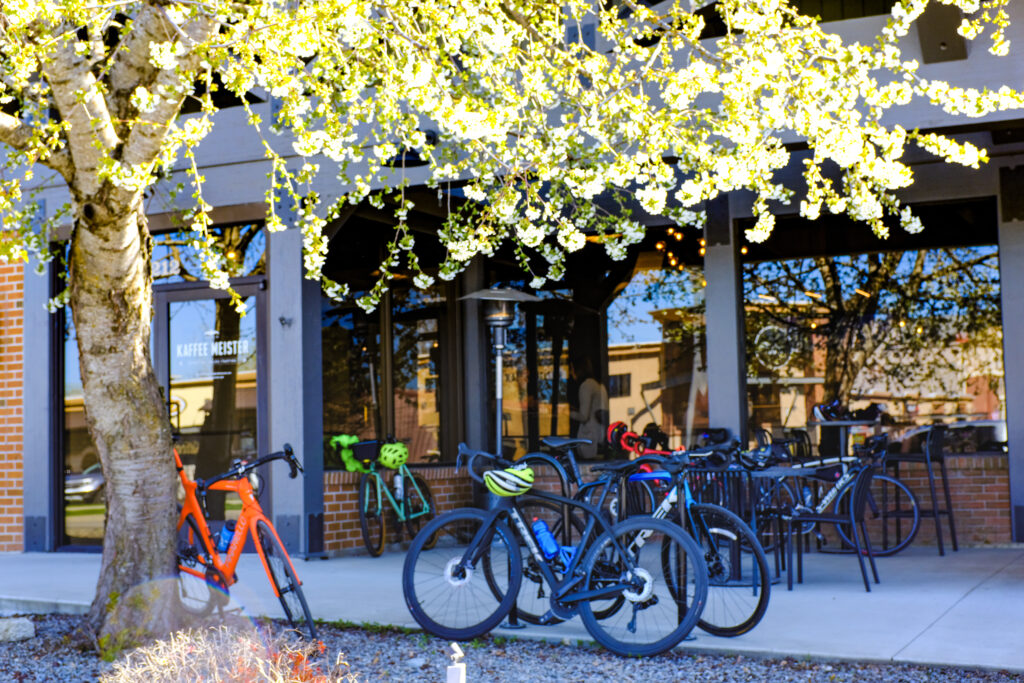
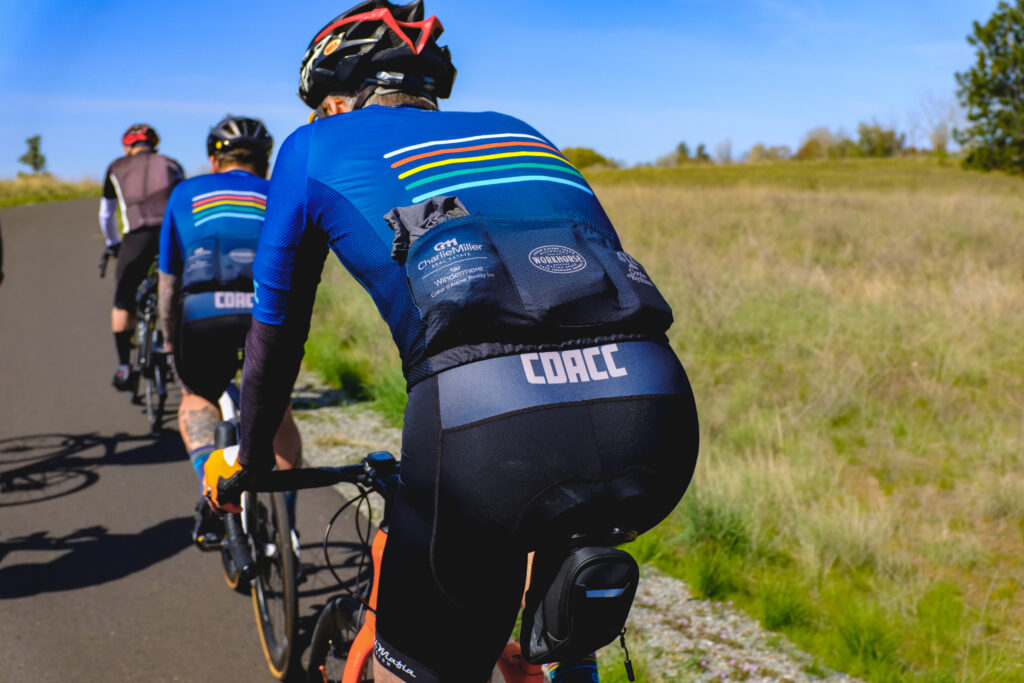
The Coeur d’Alene Cycling Club (CDACC), founded in 2019 by Dan Eyman, was created with a straightforward goal: bring local cyclists together and expand opportunities to ride and participate in events.
Since then, the club has grown into a central part of the city’s cycling scene, one shaped as much by challenging terrain as by a developing sense of community.
Cody Small, a board member who joined the club after moving from San Diego in 2020, said the adjustment to riding in North Idaho was immediate.
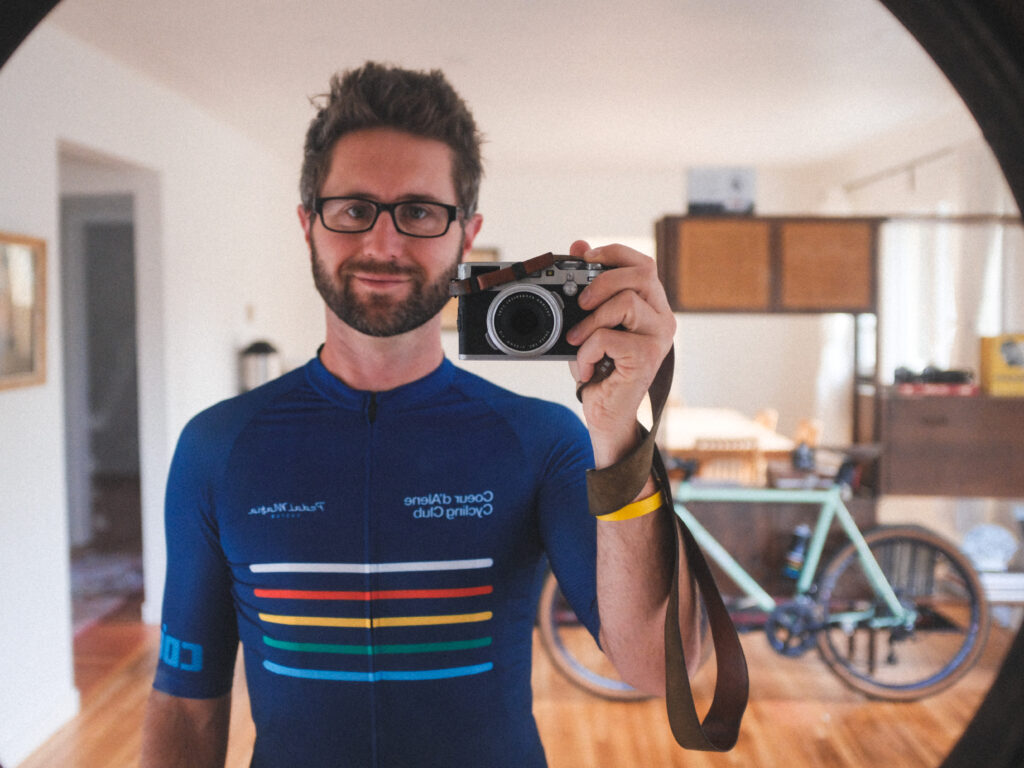
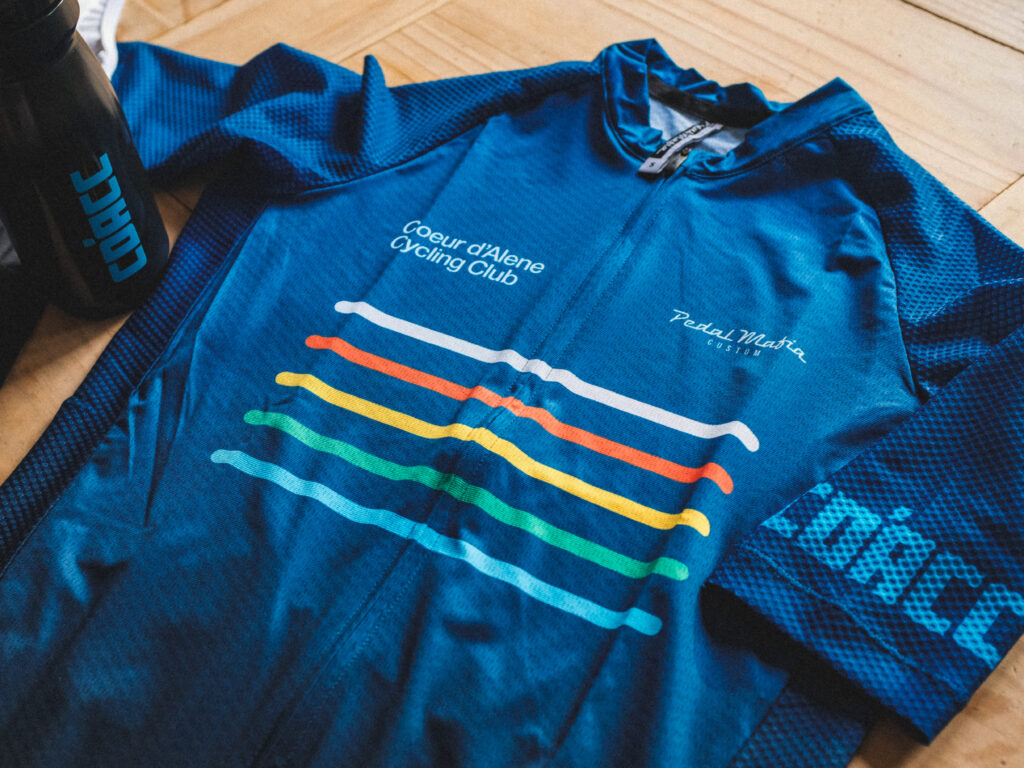
“Before moving to Coeur d’Alene, I had been riding 200 to 250 miles a week in San Diego, so I assumed I was fairly prepared. But some of my first rides with local riders in North Idaho were a wake-up call. The terrain, conditions, and pace were different than what I was used to.”
Coeur d’Alene offers a wide range of riding environments, from lakefront routes to rolling farmland and sustained climbs. Unpredictable wind, colder temperatures, and a shorter riding season add to the difficulty. The area’s reputation as an endurance destination—highlighted by its annual Ironman event—contributes to a culture that leans competitive.
At CDACC, that culture has traditionally been reflected in its group rides, many of which are performance-oriented and structured as drop rides. But as the club has grown, so has its approach.
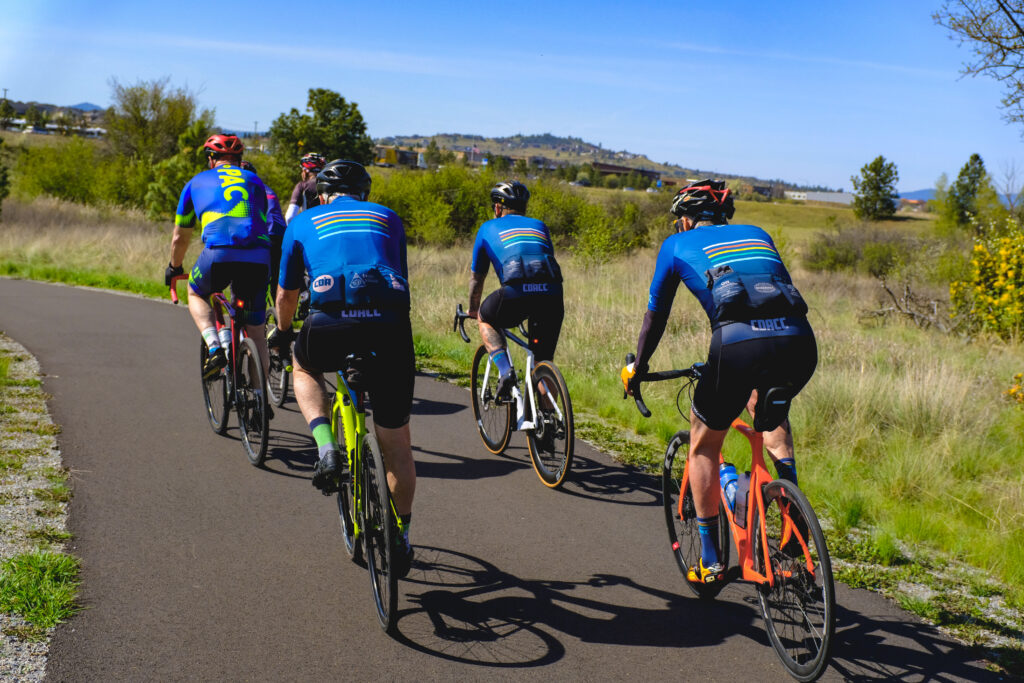
Small said one of the most noticeable differences from his experience in Southern California was the lack of a consistent social riding option.
“In San Diego, there was always a mix,” he said. “You had hard rides, but you also had more social rides built around connection.”
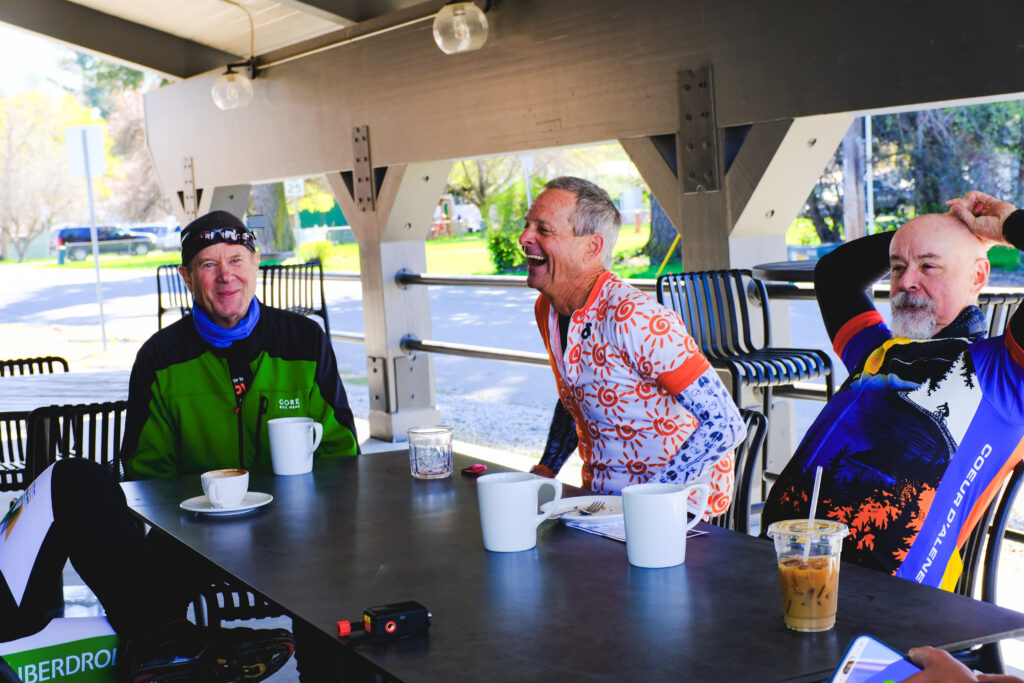
To help fill that gap, Small worked with Eyman to introduce a weekly Friday café ride. Unlike the club’s faster efforts, the café ride is designed to be approachable and non-competitive.
The addition has broadened the club’s appeal, providing an entry point for newer riders and those less interested in performance-focused riding-riders who, as Cody says, “don’t want every group ride to be a hammerfest.” It has also contributed to a wider mix of participants, with some riders moving between ride types depending on their goals. Club leadership views that range as central to its mission of “uniting the cycling community.”
“In practice, that means creating different ways for people to participate,” Small said. “Not everyone is showing up for the same reason.”
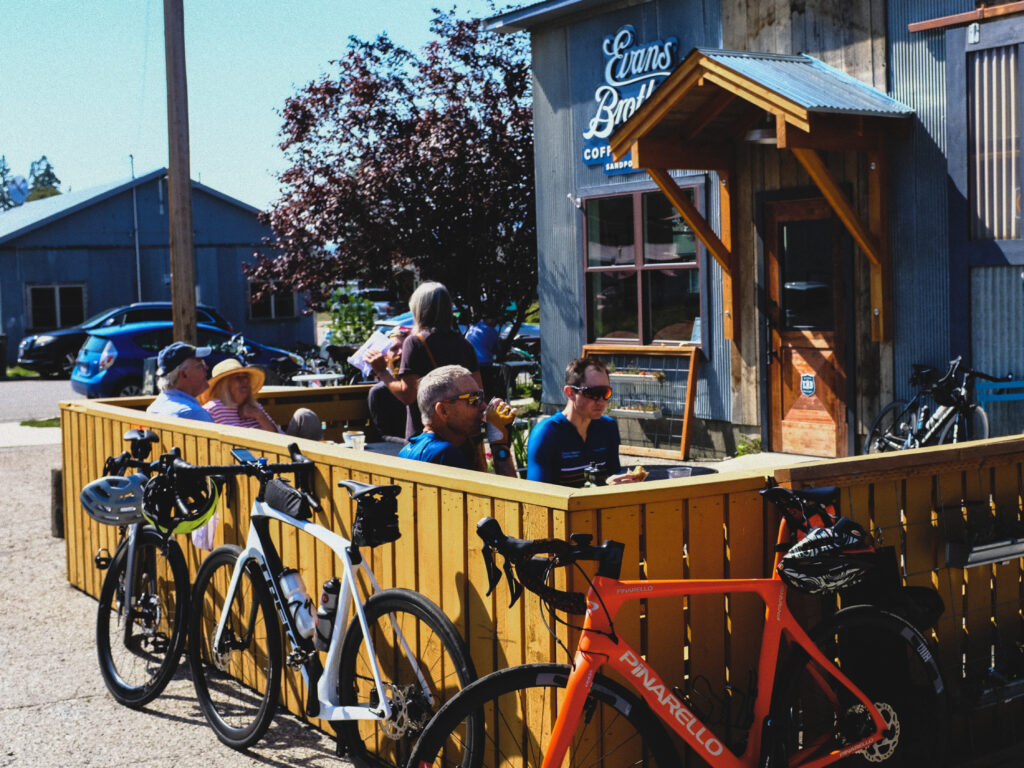
Beyond weekly rides, CDACC has also expanded its focus to include larger events that build shared experiences. One example is the “To Schweitzer” ride, a long-distance route from Coeur d’Alene to Sandpoint that concludes with a climb up Schweitzer Mountain. The event has grown in participation and has become a defining part of the club’s calendar.
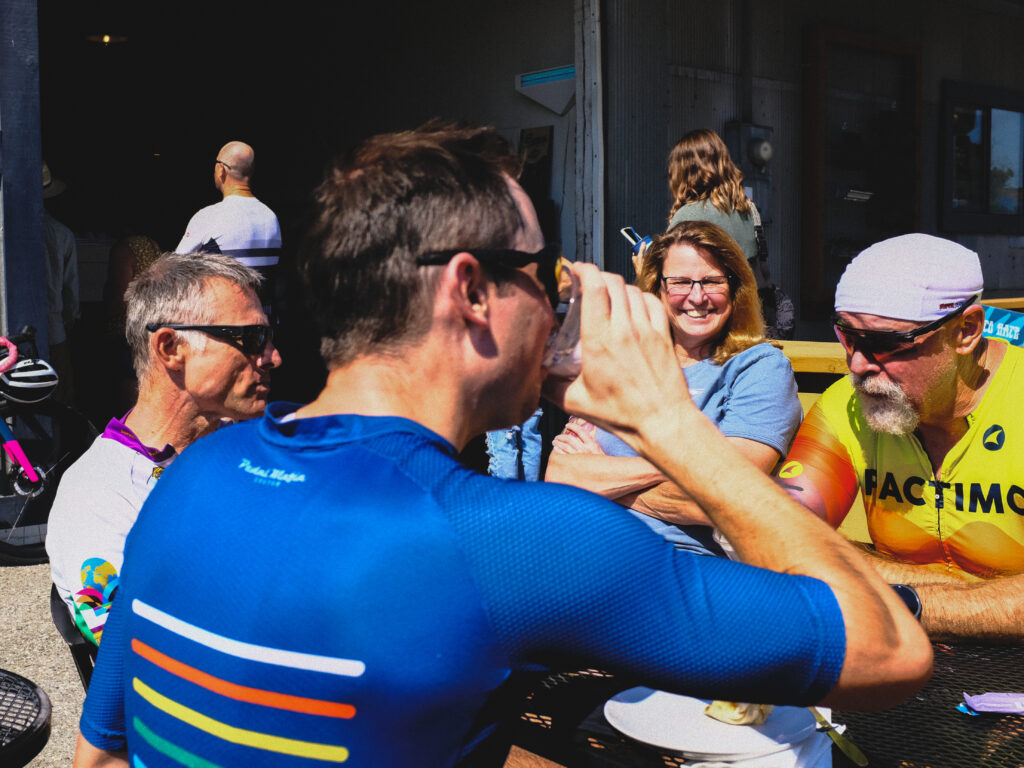
The club also emphasizes post-ride gatherings—whether at coffee shops or local breweries—as a way to strengthen connections among members.
“A lot of the community is built after the ride,” Small said.
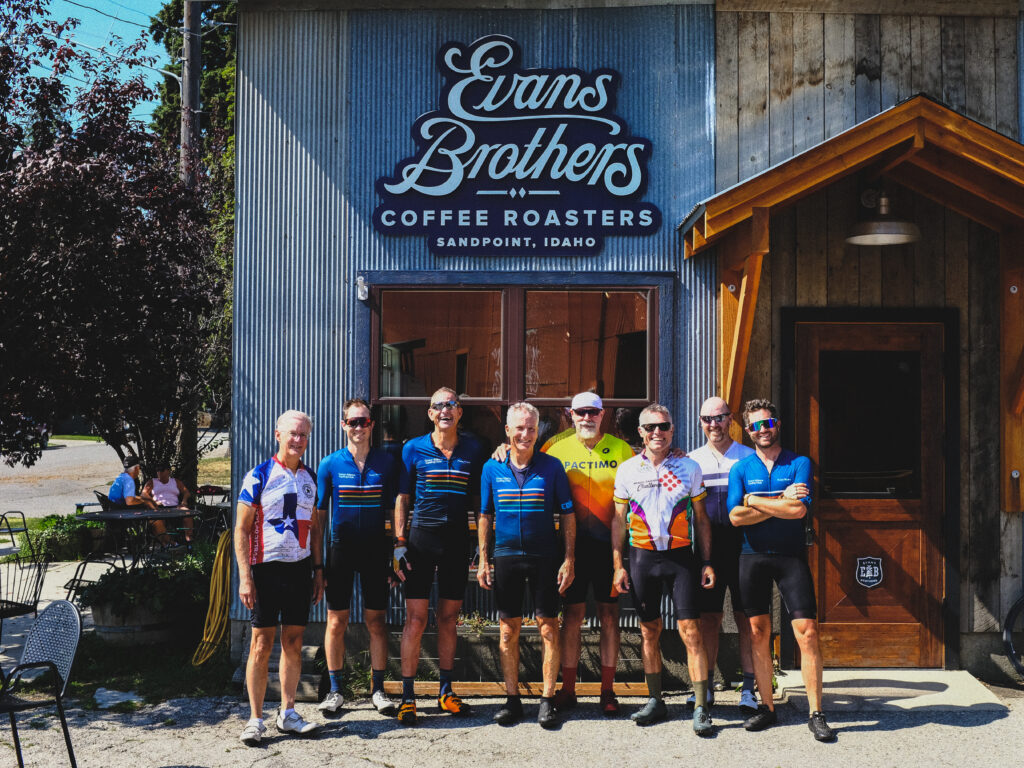
Membership remains relatively accessible, with a low annual fee and an open structure that allows riders to participate once they’ve completed a safety waiver. Organizers say the goal is not just to increase numbers, but to strengthen the local cycling culture overall.
That includes working with local businesses such as coffee roasters and creating consistent meeting points, including rides that start from Small’ office space, Workhorse.
As cycling continues to evolve in the Pacific Northwest, CDACC reflects a broader regional pattern: strong riders shaped by demanding conditions, alongside a growing emphasis on inclusion and connection.
“You don’t have to choose between strong riding and strong community,” Small said. “There’s room for both.”
Learn more about Coeur D’Alene Cycling Club at cdacycling.club
